Young people are entering the labour market at a particularly difficult moment. More than one million young people are now Not in Education, Employment or Training (NEET). At the same time, employers are adapting to economic uncertainty, rapid technological change and evolving skills needs.
Our aim is to help young people from all backgrounds develop the skills they need to thrive in work. To understand how we can do this most effectively in the context of this challenging backdrop, we commissioned Public First to ask 2,000 employers across the UK: what do you look for when hiring young people, what gets in the way, and what would make the biggest difference?
This new evidence points to what works. Employers themselves tell us that the focus must be on building the right mindset and providing opportunities for young people to develop the skills they need to succeed in the workplace.
When asked what they are looking for in a younger hire, employers are clear: attitude and attributes – how you show up to work – matter more than qualifications. An overwhelming 95% say that demonstrating the “right mindset” is important when making hiring decisions about young people.
Technical skills are important to employers, but given the choice, more employers say they would prefer to hire a young person with strong employability skills even without the necessary technical skills (58%) than the reverse (38%).
Asked to specify the skills and attributes they want, employers rate teamwork (41%), attention to quality and detail (35%), adaptability (30%) and professionalism (30%) as most the important qualities in a potential young hire. The problem is that some of these are also reported to be amongst the hardest to find: 31% say this to be true of professionalism and 29% suggest this is the case for attention to quality and detail.
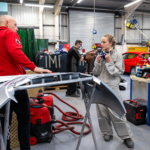
This is why at WorldSkills UK our competition-based training methods build these critical employability skills demanded by employers in tandem with first-rate technical skills. We’re delighted that employers recognise their value, with two thirds agreeing that skills competitions are an important way for young people to develop their employability skills.
We know that employers are under pressure, with limited capacity to expand their own work experience offers. We want more young people to access the benefits of our skills competitions, and are planning new regional skills competitions to boost the numbers of young people participating to help reach those places and sectors where high-quality placements are hardest to come by.
Closing the employability skills gap could not only transform the outcomes for these young people, developing the skills and confidence they need to become work-ready, but also give the economy a much-needed lift, with 70% of employers saying young recruits with the right employability skills could increase their company’s revenue. We are encouraged by the report findings which show that employers value young recruits, and we’re determined to make it easier for them to hire and sustain young people into successful careers.
Read the full report